The Sticker, the Story and the Saving: Reading Michael Kors Outlet Price Tags in 2026
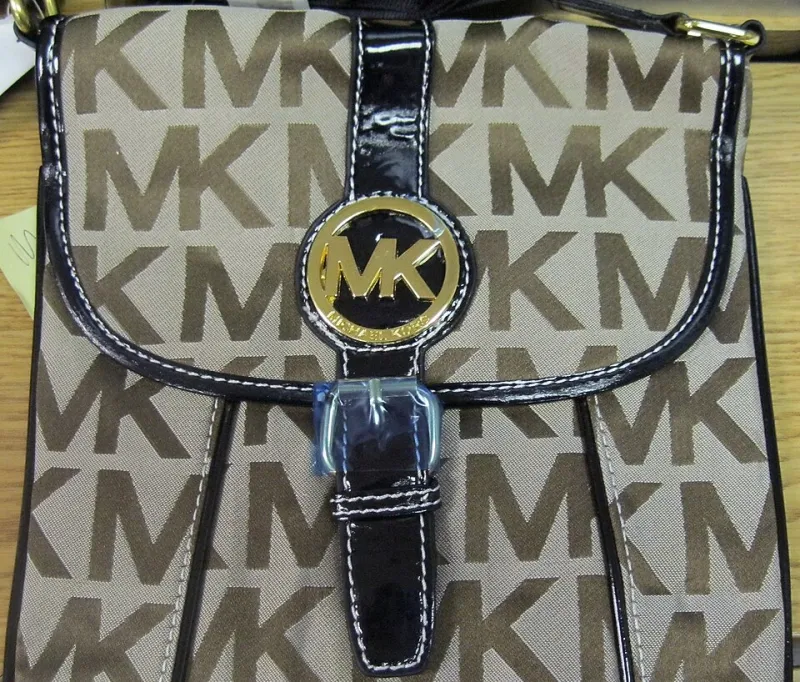
Photo: CBP Photography, Public domain, via Wikimedia Commons
Outlet shopping has a way of making a simple question feel complicated. You pick up a Michael Kors bag, turn over the ticket, and find a cluster of figures: one bold price, one crossed-out price, sometimes a percentage, sometimes a little story about a promotion. The temptation is to look at the largest number, feel a small rush of satisfaction, and head for the till. But a price tag is not a verdict. It is a set of clues, and in 2026 it is worth knowing how to read them.
First, meet the cast of numbers
Most outlet tickets use a handful of familiar characters. There is the price you actually pay, usually the clearest figure. There is the ‘compare at’ or ‘was’ figure, which is meant to give you a reference point. Then there may be a seasonal markdown, a clearance sticker, a multibuy offer, or a promotion that only applies when you spend over a certain amount.
None of these are automatically suspicious. They are retail language. The trick is to understand what each one is comparing, and whether that comparison is useful to you. A ‘compare at’ price is not a promise that the bag was sold at that exact price in a UK department store last Tuesday. It is a reference figure, often based on a recommended retail price or a previous outlet price. Treat it as a starting point for your own judgement, not as a receipt from history.
The ‘compare at’ figure is context, not a certificate
A Michael Kors outlet bag with a ‘compare at’ price of, say, £329 and an outlet price of £149 is telling you that the brand sees a significant gap between the reference price and the current ticket. That can be genuinely useful. It tells you the bag is positioned as a markdown rather than a full-price item. But it does not tell you whether £149 is a good price for that particular bag, in that particular material, at that particular moment.
For that, you need a second question: compared with what? A full-price Michael Kors bag in a similar size and leather might sit in a different range. A pre-loved version of the same style might be £80 on a resale site, but with wear, no dust bag, and no return policy. An outlet-specific style might never have been sold at the ‘compare at’ price at all, because it was made for the outlet channel. That does not make it bad value. It just means the reference number is doing a different job.
Outlet-specific styles change the maths
This is where a lot of shoppers get tangled. Some outlet bags are past-season styles that have been marked down. Others are made specifically for outlet, often with slightly different hardware, lining, or detailing. Both can be perfectly good bags. But the pricing story is different.
If a bag is a past-season style, the ‘compare at’ figure may reflect what it originally sold for at full price. That is a more concrete comparison. If it is an outlet-specific style, the ‘compare at’ figure is more like a brand positioning statement. You are not buying a £300 bag for £120; you are buying a £120 bag that the brand places in a £300-looking family. That can still be a smart buy, especially if the shape and finish suit you. Just do not let the big number convince you that you have somehow cheated the system.
Bundles, thresholds and the spend-more trap
Outlet promotions love a threshold. Spend £200 and save 20%, or buy two accessories and get a third reduced. These offers can be excellent if you were already planning to buy several things. They become expensive if you add a purse you do not need just to unlock a discount on a bag you were not sure about.
The calm approach is to work out the price of the item you actually want, on its own, before you look at the bundle. If the bag is £159 and the promotion takes it to £135 when you spend £200, the real question is whether you have a genuine use for the extra £41 of product. If not, the £159 price is the one that matters. A discount you have to feed with extra spending is not always a discount. Sometimes it is a shopping list in disguise.
A three-way comparison that actually helps
When you are standing in the outlet, or scrolling on your phone, try comparing the bag in three directions.
First, compare it with the full-price equivalent. Is there a similar Michael Kors bag on the main site or in a department store? What is the difference in size, leather, hardware and warranty? If the outlet version is £140 and the full-price version is £280, the gap is meaningful. If the outlet version is £210 and the full-price version is £250, the saving is thinner than the tag suggests.
Second, compare it with pre-loved. A used version of the same style might be cheaper, but factor in condition, authenticity checks, postage and the lack of a straightforward return. For many people, a new outlet bag with a receipt and a returns window is worth a premium. For others, a pre-loved bag in good condition is the better financial move. Neither answer is wrong.
Third, compare it with your own wardrobe. If the bag fills a gap you have been noticing for months, a modest saving can be excellent value. If it is a colour you love but have nothing to wear it with, even a 50% markdown can be a false economy.
Small print that changes the real price
The ticket is only part of the story. Check the returns policy, because an outlet bargain you cannot return is a bigger risk than a full-price bag you can. Check whether the promotion applies to sale items. Check the material care card, especially on lighter colours that will meet British rain and bus seats. And check the hardware in person if you can: a zip that catches or a strap that feels flimsy will annoy you long after the discount has stopped feeling exciting.
The number to trust most
The most reliable number on any Michael Kors outlet price tag is not the biggest one. It is the one you can comfortably afford for a bag you will actually carry. The ‘compare at’ figure is useful context. The seasonal markdown is useful context. The bundle is useful context. But the final test is simpler: would you still want this bag if the crossed-out number were not there? If the answer is yes, the sticker has done its job. If the answer is no, the biggest number on the tag is just decoration.